🌸 European Lily of the Valley (Convallaria majalis): Beautiful, But Handle with Care
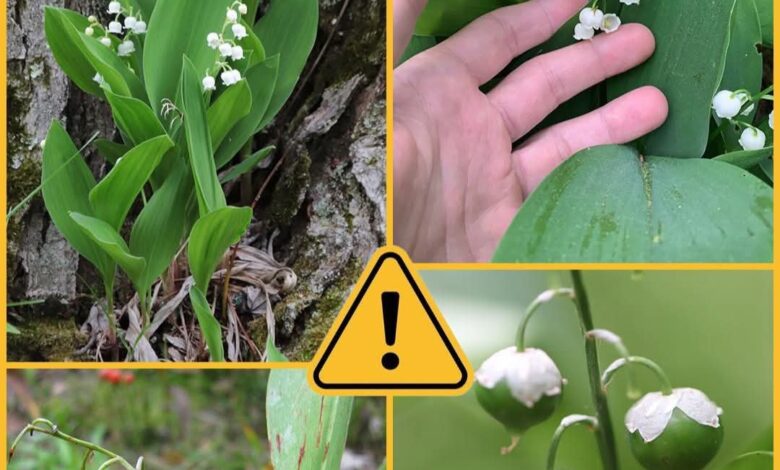
he European Lily of the Valley, or Convallaria majalis, is known for its sweet scent and graceful bell-shaped flowers. These delicate white blooms often appear in spring gardens, forest edges, and shaded paths—bringing charm and elegance wherever they grow. But while it may look harmless, this plant carries a powerful secret: it’s toxic if mishandled.
Whether you’re a nature lover, a gardener, or simply curious about the plants around you, it’s important to recognize Lily of the Valley and understand how to enjoy it safely.


🌿 How to Identify Lily of the Valley
Recognizing this flower is easy when you know what to look for—especially during its blooming season in spring or early summer.
Key Features:
Flowers: Small, white, bell-like blooms that hang in rows along a slender, arching stem
Leaves: Smooth, bright green leaves shaped like long ovals, usually two or three per plant
Height: Grows close to the ground—about 15 to 30 cm tall
Fragrance: Strong, sweet aroma—commonly used in perfumes
Habitat: Often found in shady woodlands, gardens, and as ground cover in parks
🚫 Why You Should Be Cautious
Every part of the Lily of the Valley plant—flowers, leaves, stems, berries, and roots—contains compounds that may be harmful if ingested. Even the water in a vase holding these flowers can carry those substances.
These natural compounds, known as cardiac glycosides, can affect the heart if consumed in large amounts. While this plant is used in some regulated medical settings, it should never be used at home without expert guidance.
⚠️ Who Should Be Extra Careful?
Children: The small white flowers and red berries may look tempting but are not safe to touch or eat
Pets: Dogs and cats might chew on the plant while exploring
Foragers: The leaves resemble wild garlic or ramps, which can lead to confusion
✅ Smart Safety Tips
To enjoy Lily of the Valley without risk:
Do Not Eat or Brew It: Avoid using any part of the plant in teas or home remedies
Keep It Out of Reach: Plant away from children’s play areas and pets’ roaming zones
Wear Gloves: When gardening or handling the plant, always wear gloves and wash hands afterward
Label Clearly: If you grow it intentionally, mark it with a visible label to alert others
Avoid Confusion: Don’t forage unless you are 100% sure of the plant’s identity—especially if it’s not flowering
🚨 What to Do If Accidental Exposure Happens
If someone (or a pet) may have ingested part of the plant:
Do not induce vomiting
Contact a medical professional, poison control, or emergency services right away
For pets, call your veterinarian or an emergency animal clinic immediately
🌼 Can You Still Enjoy Lily of the Valley?
Yes—with awareness and care, this beautiful plant can safely remain part of your garden or floral displays.
Admire it from a distance
Avoid direct handling unless necessary
Use gloves for planting or trimming
Educate children and guests about its nature
While it’s best kept out of reach from pets and small kids, Lily of the Valley can still bring beauty and fragrance to shaded garden corners—just like it’s done for centuries.
💬 Final Thoughts
Lily of the Valley (Convallaria majalis) is a plant of contrasts: elegant and fragrant, yet potent and best respected. Knowing how to identify it—and understanding its risks—lets you appreciate its natural charm while keeping everyone safe.
Sometimes, beauty comes with boundaries. And with this flower, admiration from a distance is the wisest approach. 🌸