Fog on the windows? This dish soap trick prevents condensation for a month
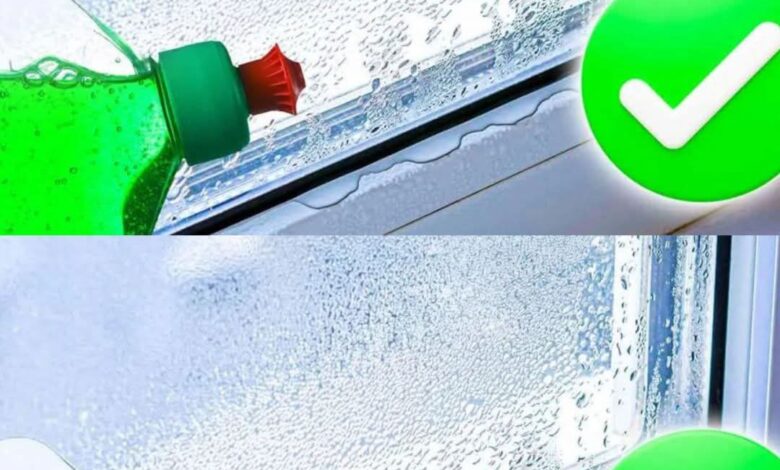
When it rains, it’s not uncommon for fog to form on window panes. This phenomenon occurs when the relatively warm air in the air comes into contact with a cold surface. This can happen, for example, when the heater is turned up or when taking a shower. A situation that can quickly become problematic! Here’s how to get rid of it.
How do I get rid of this fog? Discover this simple, practical, and easy trick thanks to a product we use every day.
An effective trick to remove fogging from windows
Fogged window
To prevent and prevent condensation on the glass, simply soap it. Use a slightly damp cloth and add a few drops of dish soap . Then rub the glass in circular motions to avoid leaving marks. Finally, this time, simply clean the surface with a dry cloth.


Do not hesitate to repeat this process every month to avoid fogging again.
More tips for removing fogging from windows
To solve this problem, you can adopt these reflexes, all of which are equally useful.
Invest in a dehumidifier: The daily formation of condensation on your windows and doors could be linked to a moisture problem. If necessary, and to prevent the proliferation of fungi on all levels, walls, pipes, doors, and fixtures, all you need to do is equip yourself with a dehumidifier.
Buy a hygrometer: If you want to know the humidity in your home, treat yourself to a hygrometer. This device will let you know the humidity level in your home and help you optimally control it. Please note that the humidity level should not exceed 50%.
Get a moisture absorber: a good alternative to dehumidifiers because it’s significantly cheaper and works without electricity. As the name suggests, this helps remove moisture and prevent condensation from forming on windows . . a>
Reduce the time you spend in the shower: The bathroom can be a prime environment for condensation to form, especially if it’s poorly ventilated. You need to be vigilant, as mold can form on the walls and ceiling. Always remember to ventilate the room well or keep the door open to limit this risk . Ideally, limit the time you spend in the shower and avoid using water that’s too hot.